MEDICAL DEVICE CLEANING
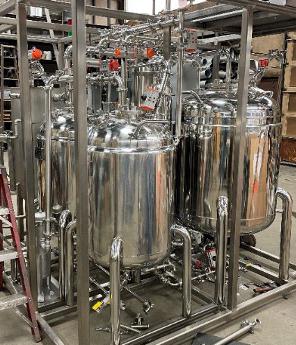
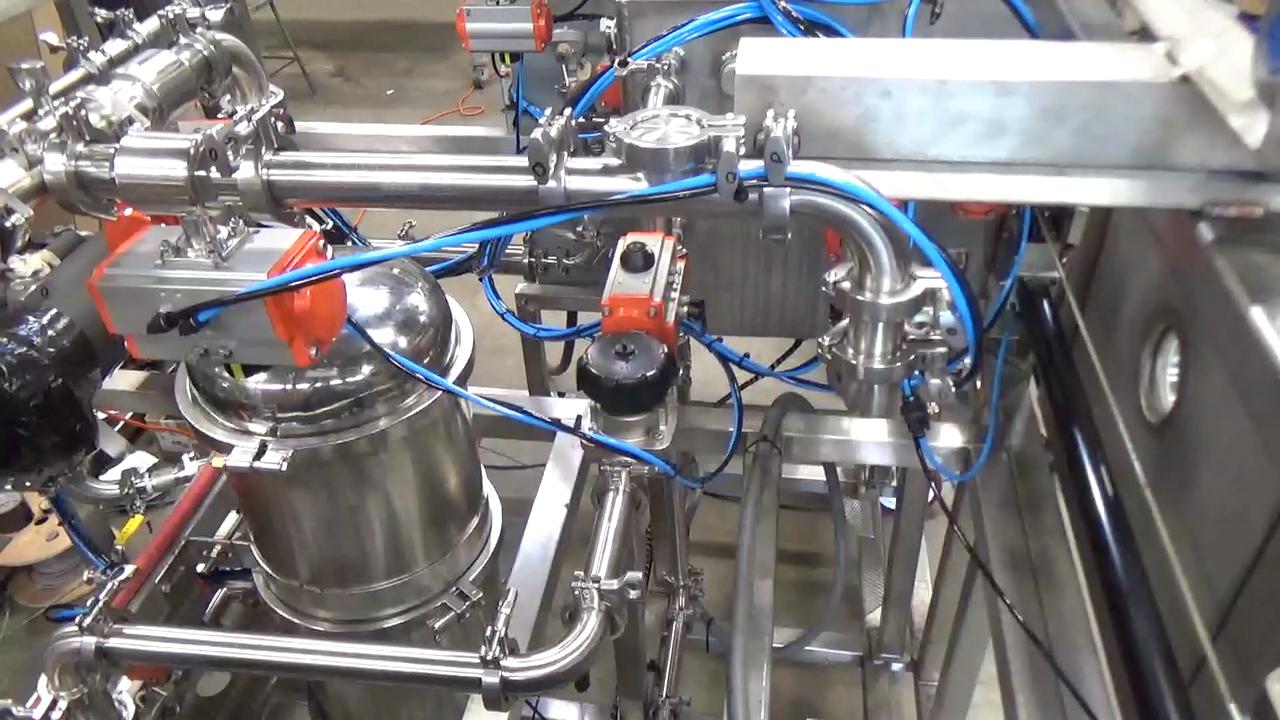
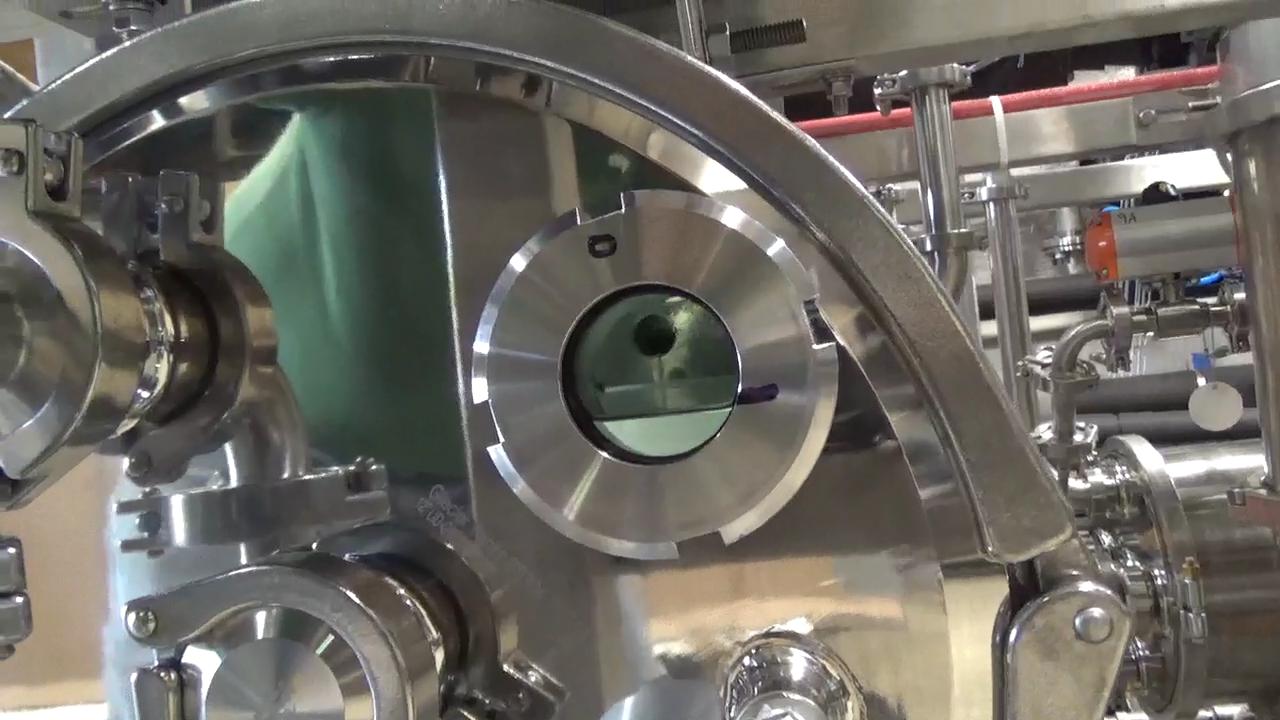
POLISHED STAINLESS-STEEL CONSTRUCTION WITH SANITARY FITTINGS
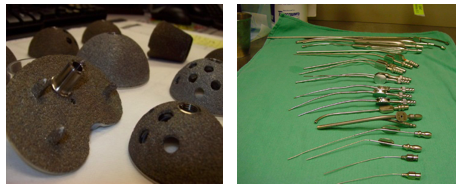
Many medical devices incorporate high-aspect-ratio tubing. Effective cleaning of these devices necessitates gravity-assisted liquid fill-and-drain systems, along with liquid injection or manual scrubbing to ensure thorough sanitation. However, complex geometries such as tortuous pathways, dead ends, and annular diameter variations or seal locations can impede cleaning efforts, creating niches where contaminants may evade removal. Additionally, constrained spaces hinder fluid dynamics, either preventing cleaning fluids from reaching contaminants or reducing flow rates to ineffective levels.
The Vacuum Cycling Nucleation (VCN) process induces vapor formation within these challenging areas, mobilizing residual fluids and facilitating their evacuation. Conceptually, it is advantageous to displace contaminated fluids by pushing them out rather than using external blowing methods. This approach channels cleaning fluids via the path of least resistance, leaving residual contaminants in dead spaces or recesses. Conventional dunking systems lack the internal agitation necessary for comprehensive cleaning, and manual scrubbing may fail to access complex geometries or be compromised by human error.
The VCN process circumvents these limitations. Vapor naturally nucleates in confined areas, displacing spent fluids. During a vacuum pause, fresh cleaning solutions re-enter these regions. Repeated cycling exposes contaminated zones to substantial volumes of cleaning fluid in rapid succession, ensuring optimal decontamination.
This video above shows how VCN nucleates vapor bubbles at tight areas to assure complete cleaning.