CLEANING THE INSIDE OF MEDICAL DEVICES
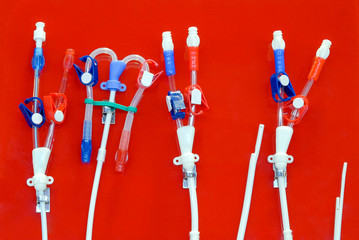
Many medical devices incorporate high-aspect-ratio tubing. Effective cleaning requires gravity-assisted liquid fill-and-drain systems, liquid injection, or manual scrubbing to ensure comprehensive decontamination. However, complex geometries such as tortuous channels, annular diameter variations, and sealing surfaces can impede these processes, creating potential niches for residual contaminants to evade removal. Additionally, restricted passageways can hinder fluid dynamics, either preventing cleaning fluids from reaching contaminated areas or reducing flow rates to levels that compromise liquid cleaning efficacy.
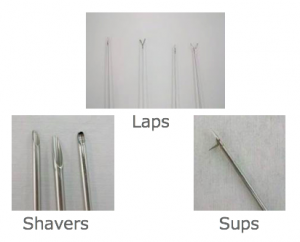
The VCN process is characterized by the absence of these restrictions. Vapor preferentially nucleates in confined areas, facilitating the evacuation of residual fluid from these zones. During a vacuum pause, the system permits refilling with fresh fluid. Repeated cycling ensures that the contaminated regions are subjected to multiple volumes of clean fluid in a short timeframe, thereby optimizing the cleaning efficacy and providing users with assurance in the process’s reliability.
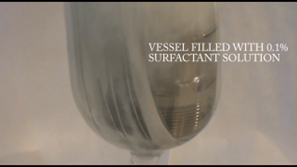
VIDEO: DYE REMOVED THROUGH SMALL HOLES
This video demonstration illustrates the extraction of a contaminant from a dead-end cavity via micro-perforations with diameters as small as 6 mils. The process involved introducing dyed oil into the micro-holes, which was then rapidly extracted within seconds. Subsequent testing of all perforations confirmed the absence of residual oil or dye, indicating effective cleaning.
RELATED RESOURCES