Powder Removal In Microgravity Environments Experiment – NASA

Powder Removal in Microgravity Environments Experiment
NASA is heavily invested in 3D printing in space to enable long-duration missions by creating tools, parts, and structures on demand, reducing reliance on expensive and logistically impossible resupply missions from Earth. VCN (Vacuum Cycling Nucleation) is the preferred post-processing method for 3D printing on space missions. No vacuum pumps required.
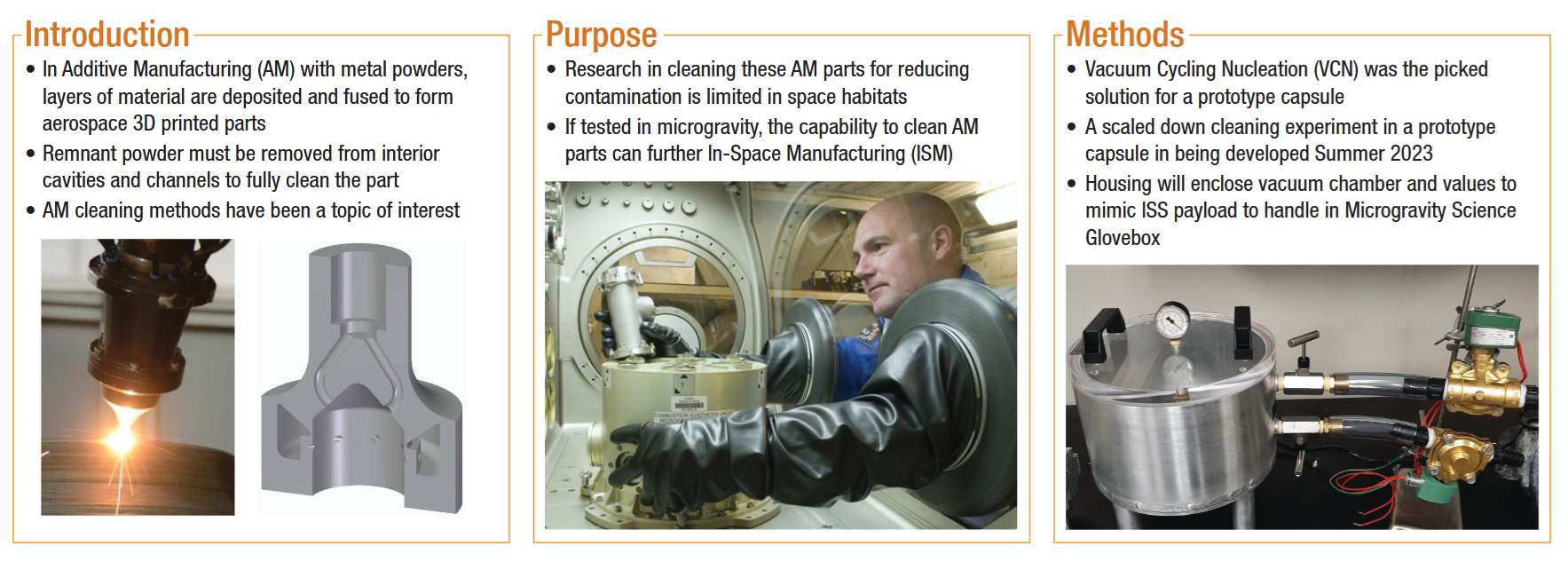
On-Demand Manufacturing & Sustainability: Astronauts can print tools, spare parts, and research equipment instantly, reducing the need to stock thousands of pounds of inventory for future Mars or Moon missions.
Reduced Launch Load: 3D printing saves significant weight and space on rockets, as only raw materials need to be transported, rather than complete, pre-manufactured parts.
Overcoming Emergency Situations: The ability to instantly fabricate customized tools or components allows crews to fix unexpected failures or repair equipment that might otherwise jeopardize a mission.
Building Infrastructure in Space: NASA is developing technologies to 3D print landing pads, roads, and habitats on the Moon and Mars using local, in-situ materials, which is crucial for building permanent bases.
Advanced Research & Bio-printing: In microgravity, it is possible to create materials, such as delicate medical implants (like nerve bridges), with higher precision than on Earth.
Improved Engineering Components: 3D printing enables the design of complex rocket parts and metal components that are lighter, stronger, and more efficient than traditional manufacturing methods.
Research conducted on the International Space Station (ISS) continuously demonstrates that this technology is essential for moving from short-term exploration to sustained, long-term human presence in deep space.
TEST VIDEOS FOR POWDER REMOVAL FROM DEAD END AREAS IN 3D PRINTED PARTS
POWDER REMOVAL FROM RB BLIND INCONEL 718
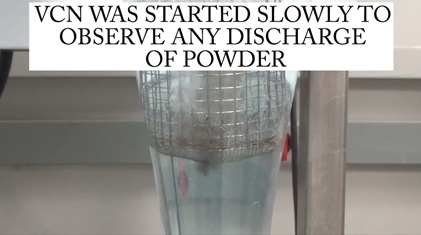
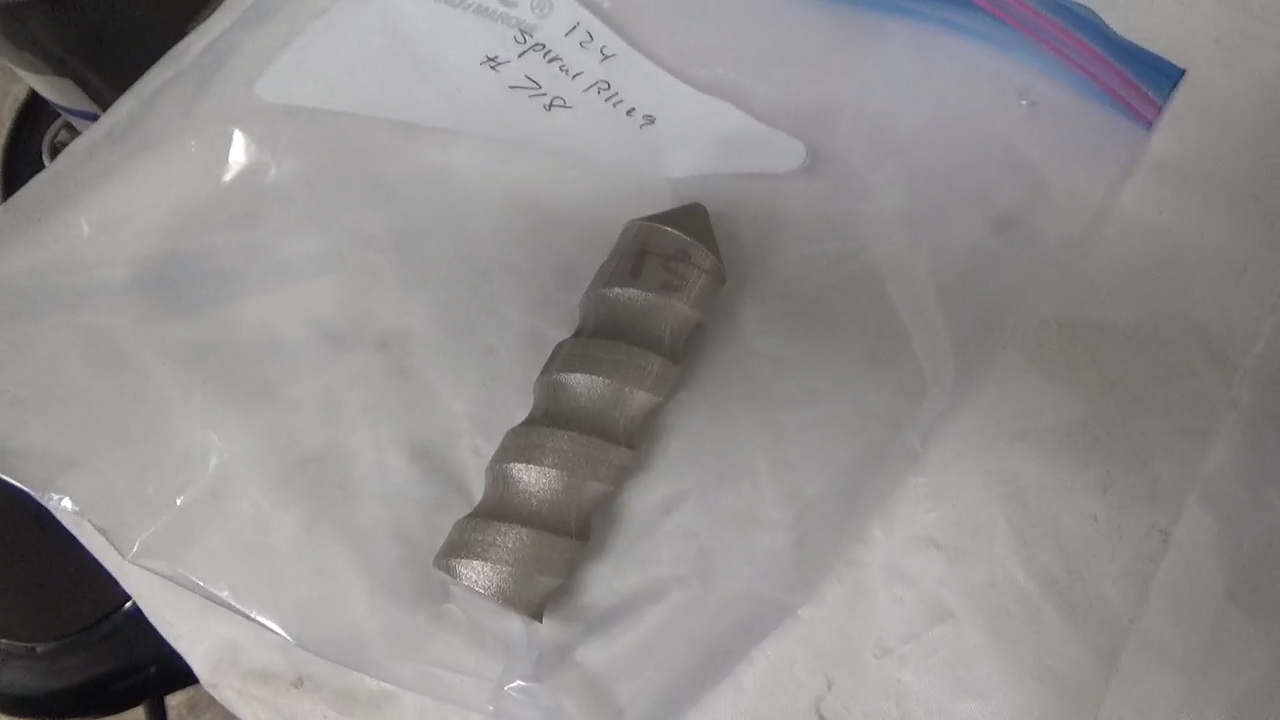
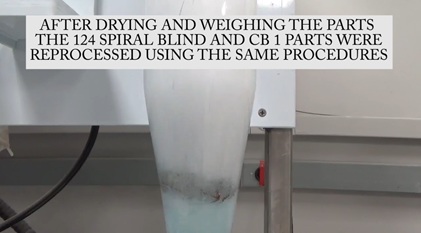
POWDER REMOVAL FROM 124 SPIRAL BLIND INCONEL 718
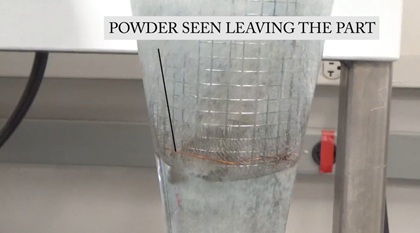
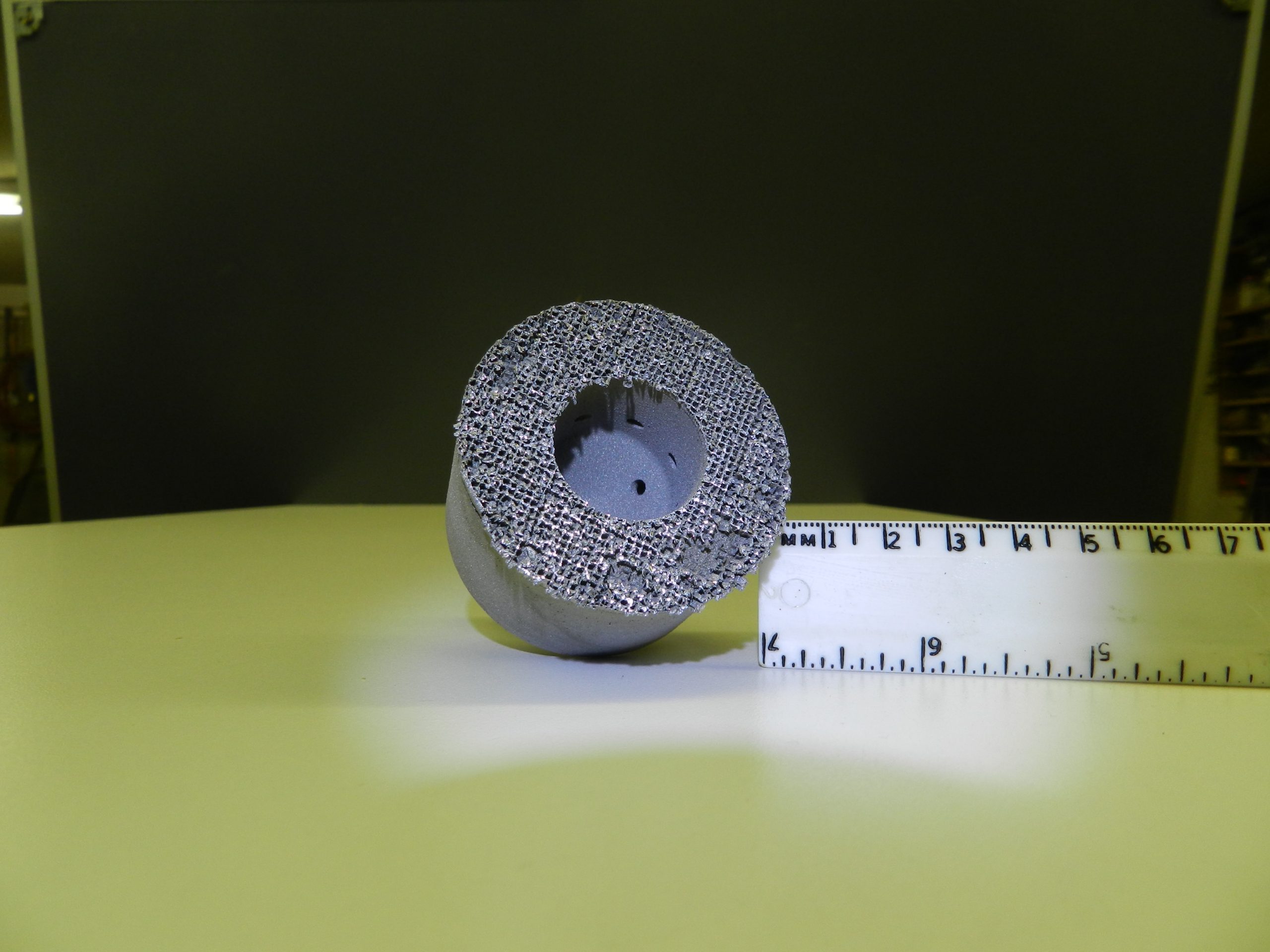
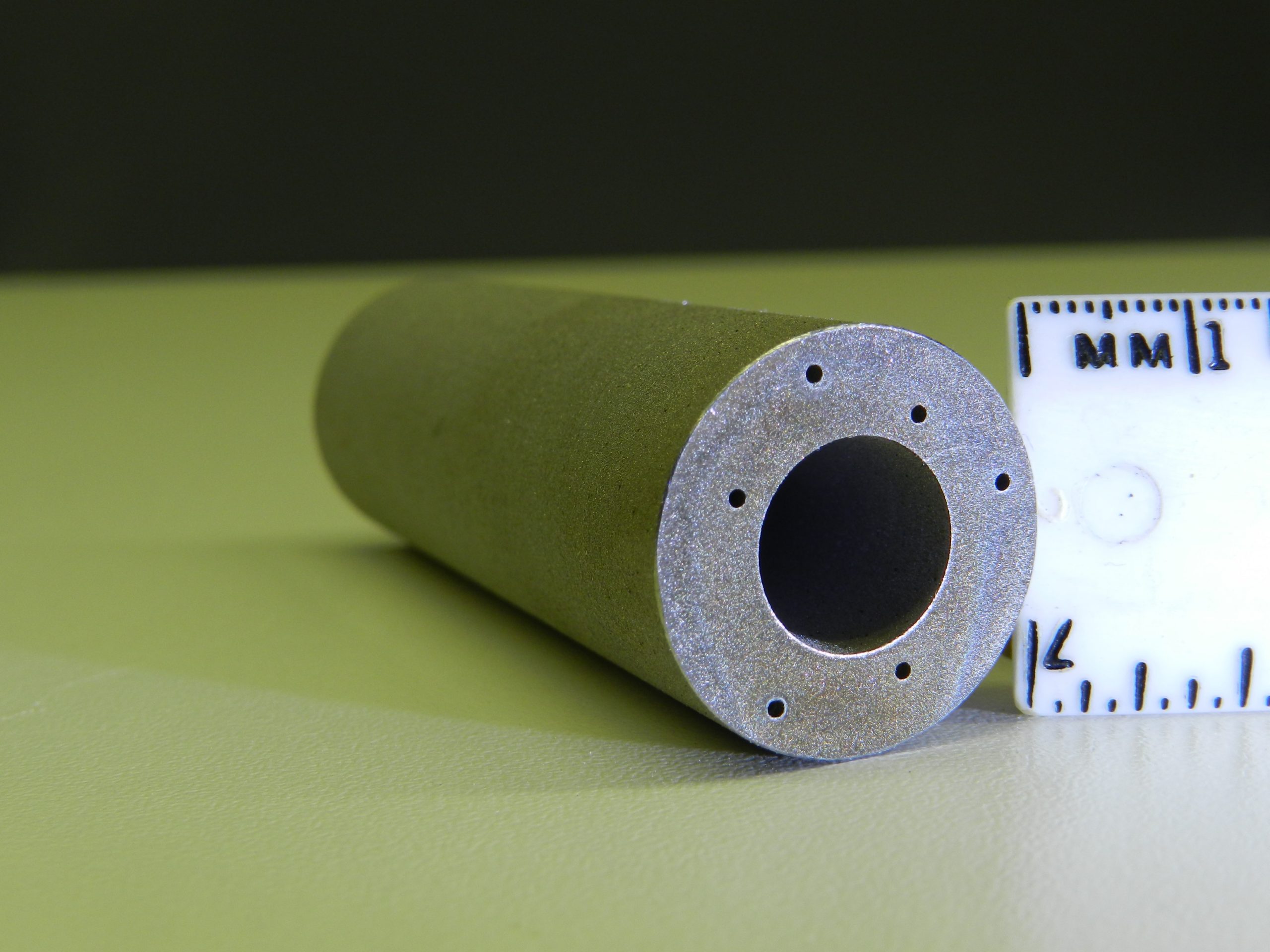
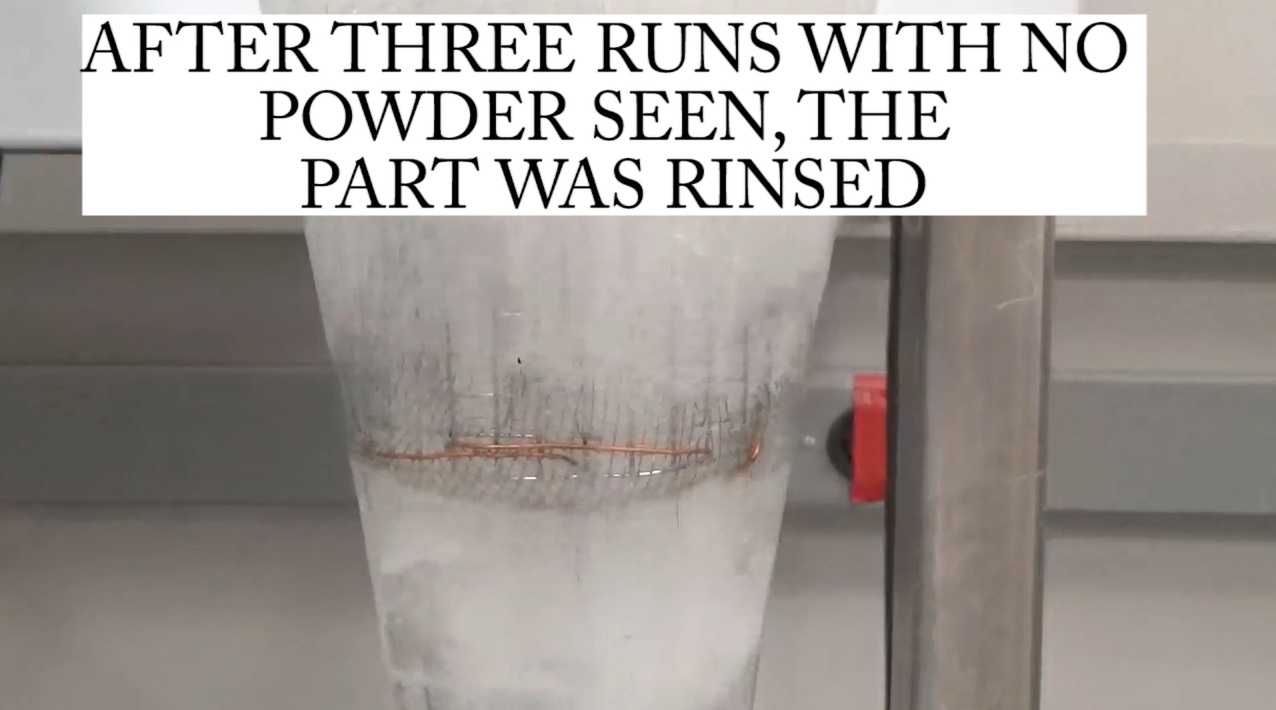
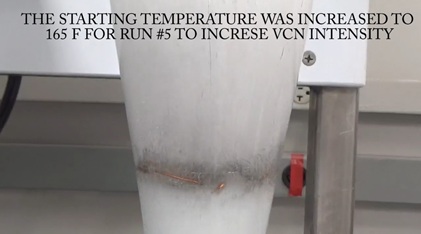
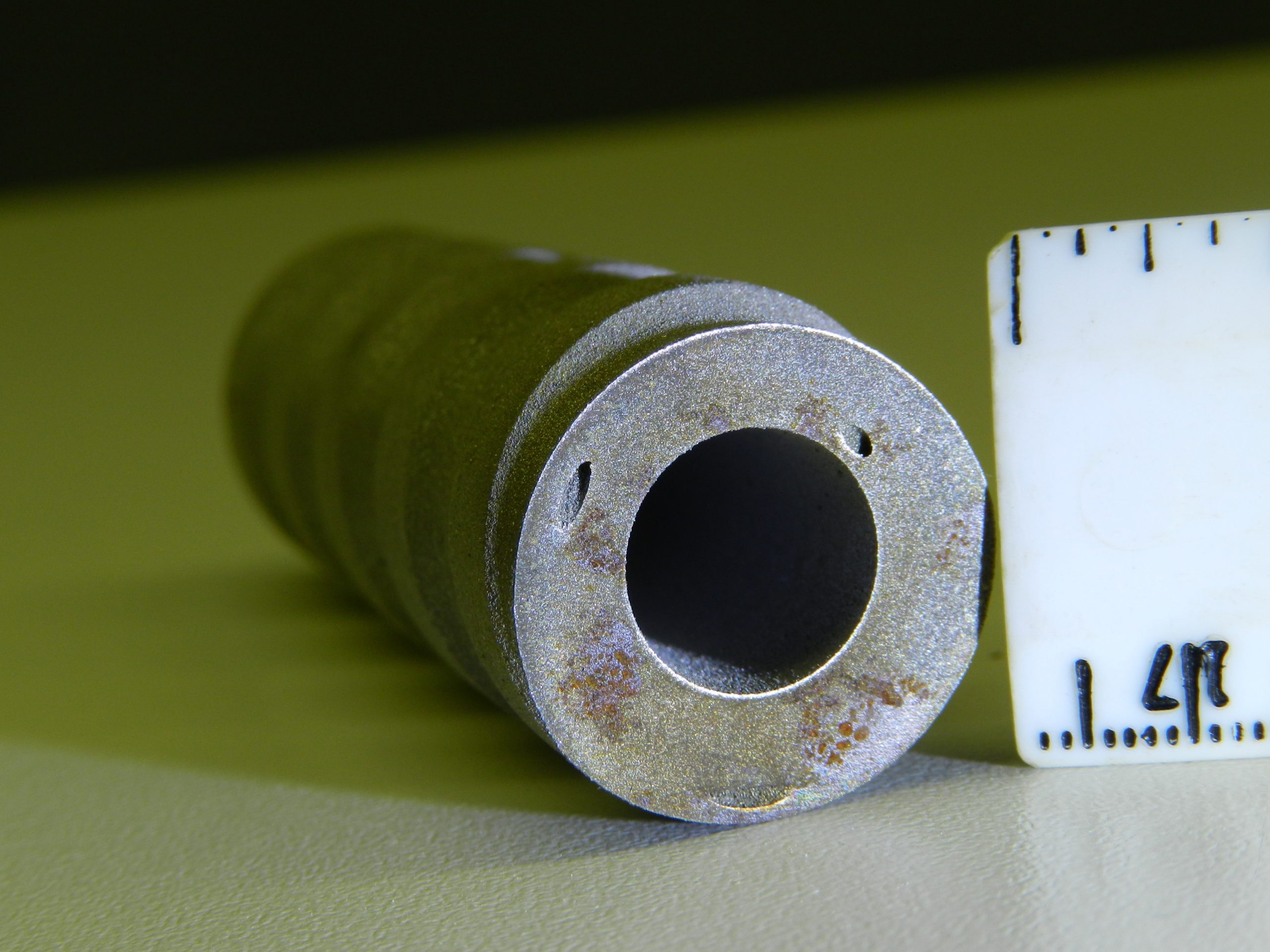
NASA contracted Vacuum Processing Systems to test the efficiency of the VCN (Vacuum Cycling Nucleation) process for removing powder from hard-to-reach 3D-printed areas. Samples of blind holes within Inconel cylinder parts printed by NASA were treated in the VCN for 10 to 15 minutes to evaluate the extent to which powder could be removed from the parts. The evaluation revealed that the VCN process removed all the powder from variously shaped holes. These videos are research recordings made during the study.
POWDER REMOVAL FROM 345 SPIRAL BLIND INCONEL 718
EXTENDED VCN POWDER REMOVAL FROM BLIND 3D PRINTED PARTS
Spiral holes were considered a difficult geometry to get energy into the areas to remove powder. Because the VCN process forms vapor inside the holes, the energy is already at the site, and the powder removal proved to be just as efficient for spiral blind holes as for the straight blind holes. In some cases, an additional 5 to 8 minutes was required. Provided there is a path to the external surface, VCN can remove the powder.
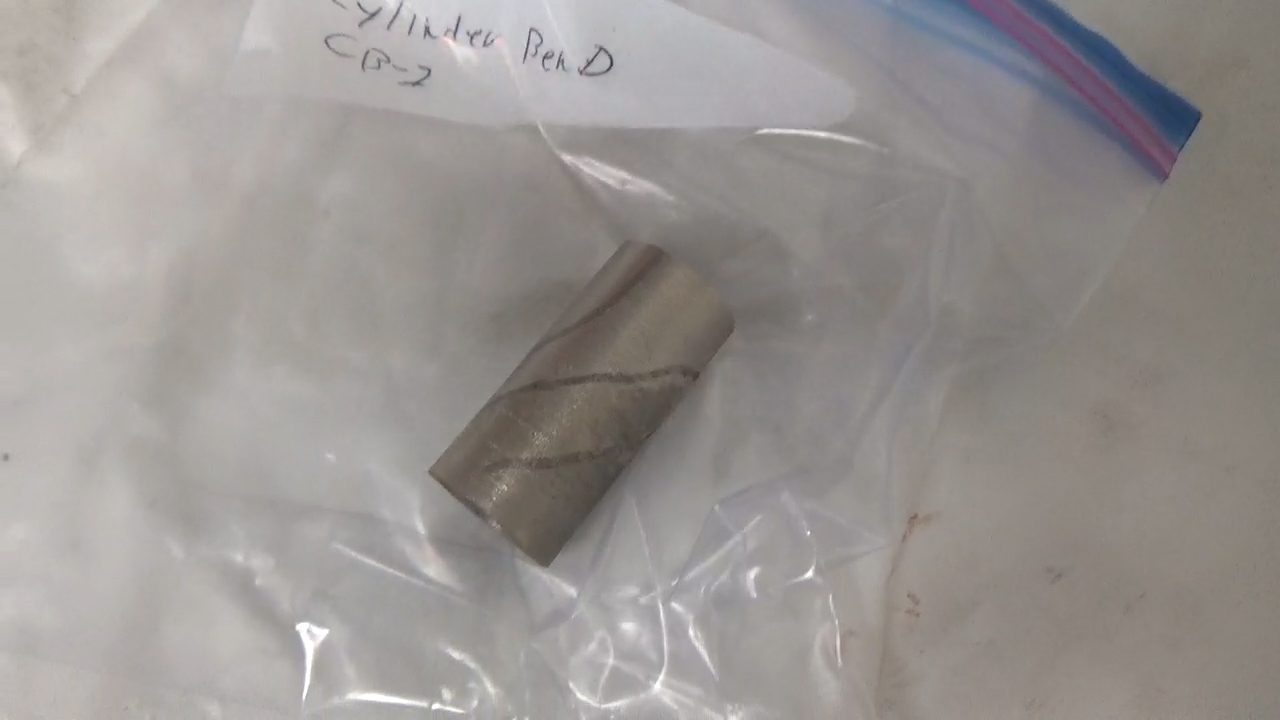
POWDER REMOVAL FROM A CYLINDER BEND PART
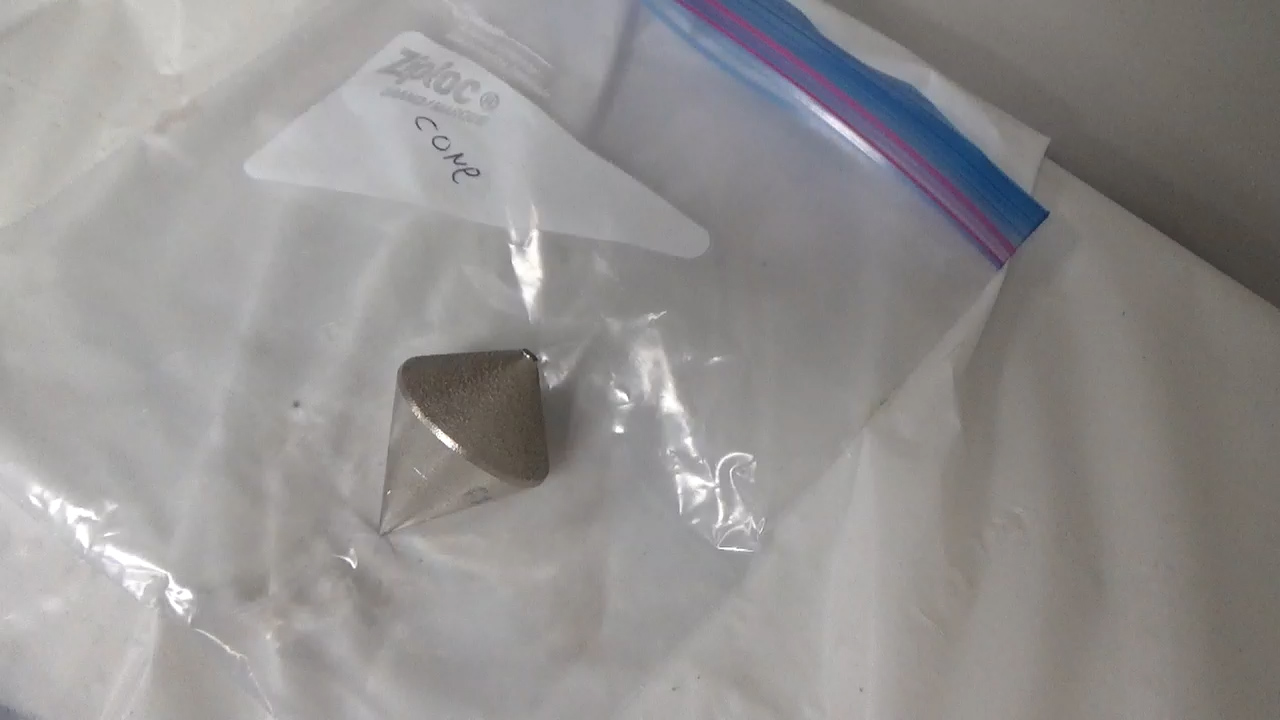
POWDER REMOVAL FROM A HOLLOW CONE
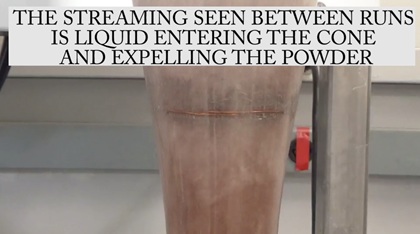
VCN processing of a hollow cone and partially hollow cylinders was expected to remove most of the powder. The analysis showed that all of the powder was removed in less than 15 minutes. In some cases, packed areas of powder required a longer time to dislodge than loose powder areas, but all the powder was removed. In some cases, an additional 10 minutes was required. The cone required 22 minutes to completely clean.